
🌿 Influenza, Pneumonia, Bronchitis or Stomach Flu?
Recognizing the Symptoms & Supporting Recovery Naturally
Cold and flu season brings a wide variety of illnesses, and sometimes it can be difficult to tell exactly what you are dealing with. Influenza, bronchitis and pneumonia can share symptoms such as coughing, fever and fatigue, while viral gastroenteritis—often called the “stomach flu”—is actually an entirely different type of illness.
Knowing some of the characteristic differences can help you recognize when supportive home care may be appropriate—and, more importantly, when medical assessment is needed.
🩺 How Do the Symptoms Differ?
| Influenza (Flu) | Pneumonia | Acute Bronchitis | “Stomach Flu” (Gastroenteritis) | |
|---|---|---|---|---|
| Typical onset | Often sudden | May develop gradually or after another respiratory infection | Often follows a cold or flu-like illness | Often sudden |
| Fever | Common, but not always present | Common; can be significant | Usually mild if present | Sometimes |
| Chills | Common | Can be prominent/shaking | Less characteristic | Sometimes |
| Body aches | Often prominent | Possible | Usually milder | Possible |
| Fatigue | Often significant | Often significant | Common | Common, particularly with dehydration |
| Cough | Common, often initially dry | Common; may produce phlegm | Main symptom; often produces mucus | Not typical |
| Shortness of breath | Can occur, especially with complications | Important warning symptom | Sometimes, particularly with exertion/wheezing | Not typical |
| Chest discomfort | May occur with coughing | Pain may worsen with breathing or coughing | Tightness or discomfort can occur | Not typical |
| Sore throat / nasal symptoms | Common | Less characteristic | May precede chest symptoms | Not typical |
| Nausea/vomiting | Possible, especially in children | Sometimes | Uncommon | Very common |
| Diarrhea | Occasionally | Sometimes | Uncommon | Very common |
| Key distinguishing feature | Sudden systemic illness with aches, fatigue and respiratory symptoms | Lung infection with breathing difficulty, fever and/or chest pain | Persistent chest cough, often following a respiratory infection | Vomiting, diarrhea and abdominal cramps dominate |
Influenza typically begins abruptly with some combination of fever or chills, body aches, headache, fatigue, cough and upper-respiratory symptoms. Importantly, not everyone with influenza develops a fever.
Pneumonia tends to involve the lungs more deeply. Cough, fever, chills, shortness of breath and chest pain—particularly pain when breathing deeply or coughing—are characteristic symptoms.
Acute bronchitis is inflammation of the bronchial tubes. Its hallmark is a persistent cough, frequently with mucus, sometimes accompanied by chest discomfort, wheezing, fatigue or a low-grade fever. Most acute bronchitis is viral.
And despite its familiar name, “stomach flu” isn’t influenza at all. Viral gastroenteritis affects the digestive tract and typically causes diarrhea, abdominal cramping, nausea and vomiting, sometimes accompanied by fever.
🌿 Herbal Support During Respiratory Illness
Herbal medicine can be used as supportive care, rather than as a replacement for diagnosis or medical treatment when it is needed.
Ginger (Zingiber officinale)
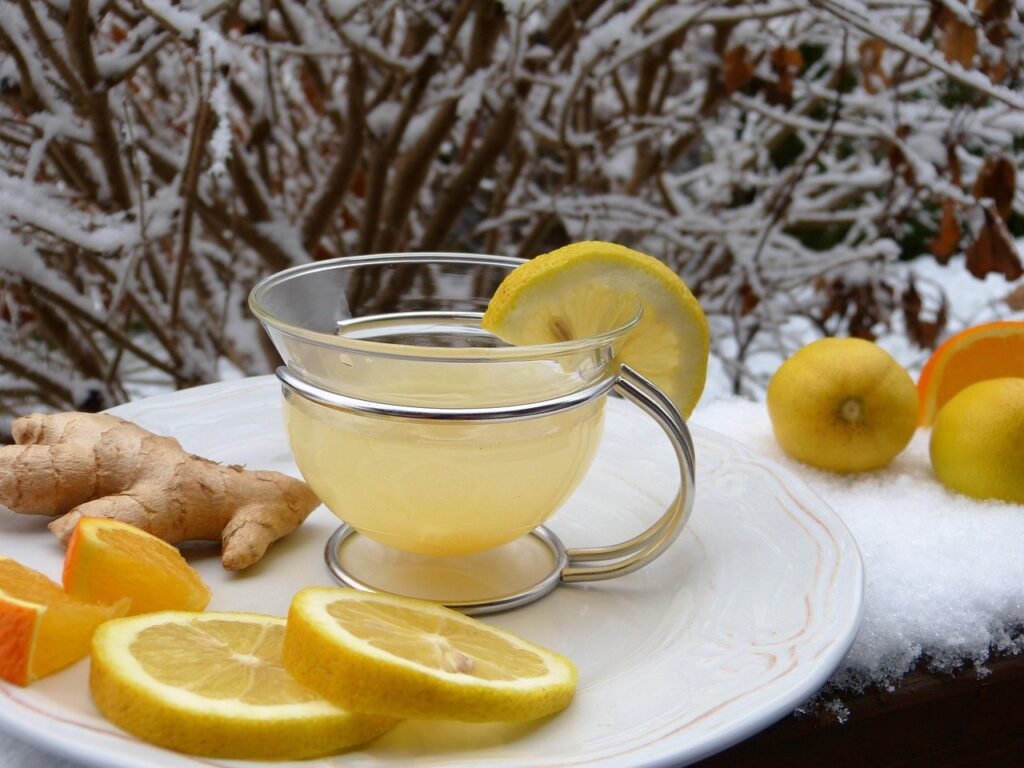
A warming herb traditionally used for digestive upset and nausea. Ginger tea can also be an easy way of encouraging fluid intake when appetite is poor.
Echinacea (Echinacea spp.)
Frequently used at the beginning of upper-respiratory infections. Research on its ability to prevent or shorten respiratory illnesses has produced mixed results, so it is better regarded as a possible supportive herb rather than a substitute for established prevention or treatment.
Elderberry (Sambucus nigra)
Traditionally used during cold and flu season. Elderberry products are commonly used for respiratory symptoms, although clinical evidence is not strong enough to consider elderberry a treatment for influenza itself. Properly prepared commercial products are preferable; raw or improperly prepared elderberry plant material can cause illness.
Thyme (Thymus vulgaris)
Traditionally used for respiratory complaints and particularly suited to a wet, productive cough. A warm thyme infusion can also provide soothing hydration.
Peppermint (Mentha × piperita)
Peppermint tea can be soothing when experiencing digestive discomfort and may also feel refreshing with nasal congestion. It may aggravate reflux in some people.
Marshmallow Root (Althaea officinalis)
Traditionally used as a soothing demulcent for irritated mucous membranes and a dry, irritated throat or cough. Because its mucilage may affect absorption of medications, it is prudent to separate it from oral medications.
🌱 Matching Support to the Illness
| Condition | Herbal Support to Consider | Other Important Support |
|---|---|---|
| Influenza | Ginger, elderberry, echinacea, soothing herbal teas | Rest, adequate fluids; seek medical advice promptly if high-risk or seriously ill because prescription antivirals may be appropriate |
| Pneumonia | Ginger or soothing teas may be used for comfort alongside medical treatment | Medical assessment is important. Treatment depends upon the cause and severity |
| Acute Bronchitis | Thyme, marshmallow root, ginger, warm herbal teas | Fluids, rest, humidified air; assessment if breathing problems, significant fever or worsening symptoms occur |
| Viral Gastroenteritis | Ginger for nausea; peppermint may help some digestive discomfort | Fluids and electrolyte replacement are the priority; watch carefully for dehydration |
⚠️ When Herbal Treatment Isn’t Enough
One of the most important aspects of natural medicine is knowing when additional medical care is necessary.
Seek prompt medical attention for significant or worsening shortness of breath, chest pain, coughing up blood, confusion, severe weakness, persistent or high fever, signs of dehydration, or symptoms that improve and then suddenly become substantially worse.
Pneumonia deserves particular caution. It can be caused by viruses, bacteria and other organisms, and treatment depends upon the cause and severity. Influenza itself can also lead to pneumonia and other serious complications.
With gastroenteritis, dehydration is one of the biggest concerns. Very little or no urination, dizziness or fainting, confusion, a very dry mouth, inability to keep fluids down, or blood in the stool warrant medical attention.
🌿 Natural Doesn’t Automatically Mean Risk-Free
Herbal medicines can interact with prescription and over-the-counter medications, and some are unsuitable during pregnancy, breastfeeding or for people with particular health conditions. Quality and concentration also vary substantially between products. I would suggest using Nature’s Sunshine for capsules of herbs check them out here. And I would use teas/tinctures made by Harmonic Arts check them out here.
This is why an individualized approach is important: the right herb depends not simply upon the name of the illness, but upon the person’s symptoms, health history, medications and overall condition.
This information is for educational purposes and is not intended to diagnose or treat disease or replace individualized medical care. Seek medical assessment for severe, persistent or worsening symptoms.